
What Will Be the Manufacturing Cost of One Rupee Coin?
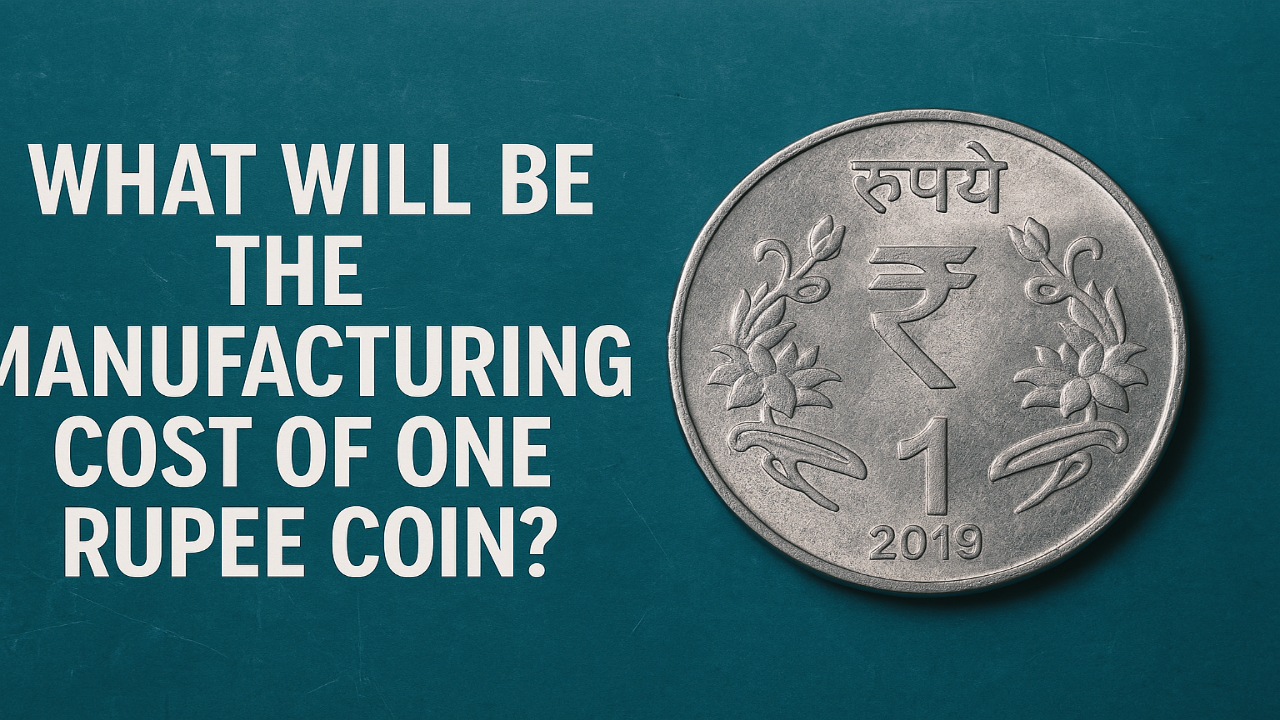
When you look at a one rupee coin, it might seem simple enough, but there’s a lot more involved in its creation than meets the eye. From the metals used to the complex machinery required to mint the coin, several factors come together to determine how much it costs to produce each coin.
Key Factors That Affect the Manufacturing Cost
- Raw Materials: The main components of a one rupee coin are metals like copper, nickel, and zinc. The cost of these materials depends on market prices, which can change over time. The combination of these metals is chosen to give the coin the right weight, durability, and appearance.
- Minting Process: Once the materials are ready, the coins are stamped using high-precision machinery. The cost of these machines, their maintenance, and the technology used in the minting process all contribute to the final cost of production.
- Labor: Skilled workers are needed throughout the production process. From the initial design to the final minting and quality checks, labor costs play a big role in determining the price of making a coin.
- Energy Consumption: The machines used in minting require a lot of energy to run. Heating, stamping, and quality control processes all use electricity, adding to the overall cost.
- Overhead Costs: This includes the cost of running the minting facility, maintaining the machines, and covering administrative expenses. These costs also contribute to the price of making each coin.
- Transporting the Coins: After the coins are minted, they need to be distributed to banks, ATMs, and other locations. The transportation and distribution costs also factor into the total manufacturing cost.
Estimating the Cost
While the exact cost can vary, the manufacturing cost of a one rupee coin is typically between Rs 5 to Rs 7. This might seem more than the coin’s face value, but remember, coins are produced in large batches, so the cost per coin is spread across many units, making it manageable.
The Bigger Picture
The cost of producing coins is an important consideration for governments and mints. The challenge is to ensure the production cost doesn’t outweigh the value of the currency. With economies of scale, mass production helps keep these costs in check.
Conclusion
The manufacturing cost of a one rupee coin involves various factors, from raw materials to labor and energy consumption. Next time you use a one rupee coin, you’ll have a clearer picture of what goes into making it. For anyone curious about the economics behind currency production, there’s plenty more to explore.